

Advantages of a Bariatric Wheel Chair
A bariatric wheelchair is designed to manage a higher weight capacity than standard wheelchairs, varying from 300-700 pounds. They are often categorized as heavy duty power wheelchairs by Medicare and might require a prescription.
Functions like a "no-lift" tilt and assisted back recline conserve caregivers from straining throughout repositioning. Seats with superior pressure redistribution, such as Broda's Comfort Tension Seating, decrease the risk of pressure ulcers.
Convenience
Whether in the house or at the healthcare center, convenience is simply as essential for bariatric clients as it is for any other kind of client. Specialized wheelchairs offer the ability to achieve this in a number of methods, including stronger frames and broader seats that make it simpler for bigger users to move and remain stable during motion.
A vast array of accessories is also available to optimize the convenience and functionality of a bariatric chair. From padded elevating footrests that are adjustable and can swing away, to desk-length arm rests that are quickly moved, these accessories can provide the extra support and stability needed for comfortable usage.
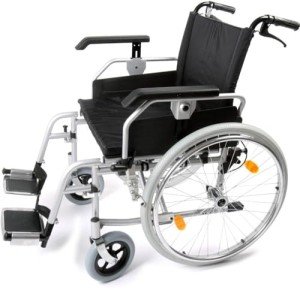
Other necessary features to look for in a bariatric wheelchair consist of reclining ability, and support around the gluteal area to promote correct posture and minimize pressure injuries. Some chairs even come with a front-to-back tilt function to alleviate the sit-to-stand transfer process and assistance minimize caretaker strain. Additionally, wheelchair cushions can play an integral function in lowering pressure injuries and making sure user comfort. The AliMed Bariatric Tri-Foam Cushion is specifically created with an unique layering system that provides innovative pressure redistribution, preventing the buildup of heat and wetness and reducing the risk of pressure ulcers.
Last but not least, try to find a bariatric chair with seating that is personalized to fit the needs of each private user. Some producers, like Broda, style chairs with a range of changes and functions to help find the best fit. For instance, the Vanguard Bariatric Wheelchair uses a "no-lift" tilt and assisted back recline that are run by a convenient foot pump to ease the user into position without straining the caretaker.
An essential piece of advice when shopping for a bariatric wheelchair is to get a comprehensive seating evaluation from a health care professional. This will supply an extensive view of the individual's sizing needs, mobility goals, and activities of daily living. It will also act as paperwork of medical necessity for insurance purposes. Ultimately, this will ensure that the chair fits effectively and uses the ideal level of convenience and functionality.
Mobility
When you use a bariatric wheelchair, you can experience flexibility and mobility without fretting about safety. These specialized chairs are wider and more durable than standard wheelchairs, and they can handle a higher weight capacity. They also provide pressure redistribution and rearranging features to help avoid pressure sores. This makes them the very best choice for obese and obese users with a Body Mass Index (BMI) of 30 or greater.
Whether you need to go to family, pals, or go shopping, a bariatric wheelchair can help you maintain your self-reliance and quality of life. In addition, you'll have the ability to fraternize others in your neighborhood without the risk of being uncomfortable or risky.
These specialized wheelchairs are developed with reinforced components, extra cushioning, and a larger seat and back to accommodate a higher weight capacity and variety of user shapes and sizes. They can also be adapted to supply assistance around the gluteal location, which is specifically important for those with lung or cardiovascular conditions who may require a specific position to help them breathe.
The Vanguard Bariatric Wheelchair, for example, is designed to allow users to steer quickly throughout the home and social environment, while supplying industry-leading security features. The chair's "no-lift" tilt and helped back recline are operated with a foot pump to save caregivers from straining throughout repositioning and reduce the danger of injury. The chair's unique Comfort Tension Seating system likewise adapts to accommodate the range of bariatric body types and offers correct postural assistance, lessening the threat of pressure injuries.
If you're interested in a bariatric wheelchair, talk with your medical professional or therapist about your needs. They can examine your medical status and physical condition, examine your living scenario, and make suggestions for the best chair to fulfill your particular needs. Sometimes, your medical professional may likewise recommend a rehabilitation professional who can direct you through the procedure of picking the best chair for your specific way of life and abilities. They can also advise you on funding options, including whether your insurance strategy covers bariatric wheelchairs.
Self-reliance
Using a bariatric wheelchair that supplies appropriate positioning and support enables users of approximately 750 pounds to remain more independent in activities of day-to-day living. Wheelchairs with specialized positioning features like no-lift tilt and assisted back recline help lower caregiver pressure while offering a more comfortable seating experience for the user. Accessory options like calf pads that accommodate larger leg sizes and a range of armrest heights offer the alternative to choose the very best fit for a large range of patients. These specialized adjustments make it simpler for a patient to do things like self-feeding, grooming, and getting in/out of the shower. These are the little things that can include up to a more satisfying quality of life for somebody with bariatric requirements.
Sturdy strengthened frame, casters and weight bearing points make sure resilience.
Security
A bariatric wheelchair has a greater weight capacity than standard chairs, allowing it to comfortably support obese individuals. Nevertheless, an individual's frame size, shape and structure likewise play a function in whether a bariatric chair is proper for them. For instance, those with wide thighs may require a bariatric wheelchair that provides sufficient space to avoid pressure ulcers.
A crucial security feature is the chair's load capacity, determined by its static and active load capabilities. Static load refers to the quantity of weight that a chair can hold while sitting still, and active load is determined by carrying out a drop test on the wheelchair to mimic a person plopping down into it.
The specialized frames of bariatric wheelchairs are strengthened to ensure stability and security. Additionally, numerous have adjustable parts that enable a personalised fit. A well-fitting seat is crucial for a comfortable trip, as shallow seats cause a shift of weight forward that can increase instability. Deep seats can also press on knees, which causes pelvic rotation that can cause a greater risk of falls. On the other hand, seats that are too large can trigger skin shearing and turn the legs inward, putting stress on hips and joints.
Selecting the best wheelchair for an obese client likewise needs considering their daily activities, lifestyle and surroundings. For instance, those with long commutes might need a bariatric wheelchair with long lasting tires and casters that can deal with rough surfaces, along with a more stable seat with a higher weight capacity to accommodate heavy clothes and extra cushioning.
Healthcare professionals such as physiotherapists and occupational therapists can help to figure out which kind of wheelchair is best for their clients. Often, bariatric living aids advise bariatric wheelchairs with pressure redistribution and repositioning features to assist lessen the threat of pressure injuries. These features can make a considerable difference in enhancing a patient's convenience and total quality of life.